Midlife can bring many changes. Hormones shift, your sleep may suffer and your energy may feel lower than before. If you also have diabetes, it can feel like a lot. Still, you can live well. You can feel strong, clear, and steady again.
Why Midlife Can Change Blood Sugar
During perimenopause and menopause, estrogen levels fall. Estrogen helps the body use insulin well. When estrogen drops, insulin resistance can rise, and blood sugar can become harder to manage.
Researchers also found a strong link between insulin levels in midlife and menopause symptoms. A 2026 report said higher insulin levels were tied to earlier and longer hot flashes, and more severe symptoms were linked with higher type 2 diabetes risk.
The CDC says diabetes is common in women as they age. About 19 percent of women age 65 and older have diagnosed diabetes.
This matters because many women blame all new symptoms on menopause alone. It can be menopause. Sometimes it is blood sugar. Sometimes it is both.
Signs Women Should Not Ignore
Diabetes symptoms in women can be easy to miss. Some signs look a lot like normal midlife changes. That is one reason many women do not get help right away.
Common signs include feeling very tired, being very thirsty, going to the bathroom more often, blurry vision, slow healing cuts, tingling in the hands or feet, and repeat yeast or urinary infections.
Pain can also be part of the picture. Research on midlife women found that women with type 2 diabetes reported more muscle, joint, and soft tissue pain than women without diabetes.
If your body feels off, trust that feeling. You do not need to wait until symptoms get worse.
Food Can Help You Feel Better
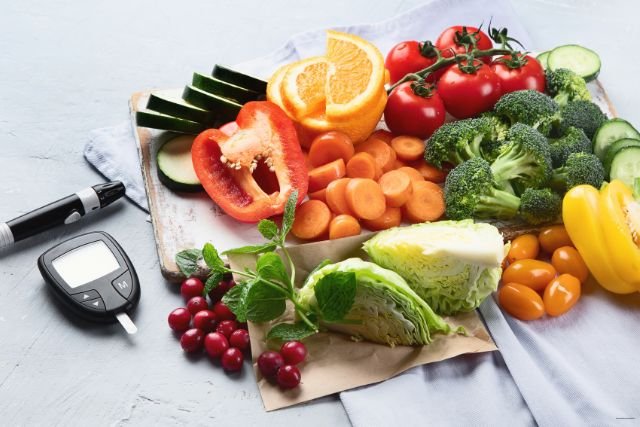
Food is one of the best tools you have. Good meals can help steady blood sugar, support energy, and reduce those sharp highs and lows that leave you drained. Mayo Clinic and the American Diabetes Association both support meal plans built around vegetables, fruit, whole grains, lean protein, and healthy fats, while cutting back on added sugar and refined carbs.
You do not need a fancy diet. You need a simple plan you can follow in real life.
A helpful way to build meals is this:
- Fill half your plate with vegetables.
- One quarter should be lean protein.
- Fill one quarter with high fiber carbs, such as beans, brown rice, or sweet potato.
This kind of plate makes meals easier to plan and can support steadier blood sugar throughout the day.
Sutter Health notes that many women do well with about 30 to 45 grams of carbohydrate per meal and around 25 to 35 grams of fiber each day.
That does not mean you need to count every bite forever. It means balance matters. Protein helps. Fiber helps. Whole foods help.
Here are a few simple food ideas:
- Eggs with whole grain toast and berries
- Greek yogurt with nuts and chia seeds
- Grilled chicken with roasted vegetables and quinoa
- Salmon with green beans and sweet potato
- Apple slices with peanut butter
These meals are simple, filling, and easier on blood sugar than meals loaded with sugar or white flour.

Movement Supports Energy and Health
Exercise is not only about weight. It helps your body use insulin better. It can also lift mood, improve sleep, and support heart health.
The American Diabetes Association recommends at least 150 minutes of moderate activity each week.
That may sound like a lot at first. But you can break it up into small pieces. A 10-minute walk after meals still counts. A short dance session in your living room counts too.
Good exercise choices include walking, swimming, cycling, and dancing. Strength training also helps because muscle uses glucose well, and building muscle becomes even more important during midlife.
Harvard Health reports that women with diabetes who got at least four hours of moderate exercise each week had a 40 percent lower risk of heart disease than women who did not.
That is a powerful reason to keep moving. You do not need to be perfect. You only need to be consistent.
Sleep and Stress Matter
Many women work hard on food and still wonder why blood sugar feels hard to control. Stress and poor sleep may be part of the answer.
Stress can raise cortisol, and higher cortisol can push blood sugar up.
Poor sleep can also make insulin resistance worse and increase cravings the next day.
This can be extra hard in midlife. Hot flashes, night sweats, and broken sleep are common during menopause, and they can leave you feeling exhausted before the day even starts.
Simple daily habits can help:
- Keep a regular bedtime
- Put your phone away before bed
- Limit caffeine late in the day
- Take a short walk to lower stress
- Try deep breathing for a few minutes when you feel tense
These are small steps. Still, small steps often lead to big change over time.
A Simple Daily Rhythm
If diabetes feels overwhelming, keep it simple. Focus on a few basics you can repeat each day.
- Start your morning with protein and fiber.
- Drink water throughout the day.
- Move after meals when you can.
- Build balanced meals.
- Protect your sleep.
- Check in with your stress.
This kind of rhythm can help you feel more stable. It can also help you feel more in control of your body again.
Support and Treatment Should Fit Your Life
Some natural approaches may help support blood sugar care. diaTribe reports that fiber, zinc, and in some cases apple cider vinegar may help with blood sugar management, though they are not a substitute for medical care.
The 2026 NICE update on type 2 diabetes care also puts a strong focus on personalized treatment. That means your care plan should fit your health history, your symptoms, and your goals.
That matters a lot for midlife women. Hormones, sleep changes, stress, body composition, and daily routines all shape how you feel. A one size fits all plan is often not enough.
You deserve care that sees the full picture.
Living with Vitality
Diabetes in midlife is real. So are the changes that come with menopause. But this season of life does not have to be ruled by fear.
You can make choices that support your body, eat in a way that feels stead and move in ways that build strength. You can protect your peace and sleep. Little by little, those choices add up.
Vitality does not mean doing everything at once. It means caring for yourself in steady ways that work in real life. That is where lasting change begins.