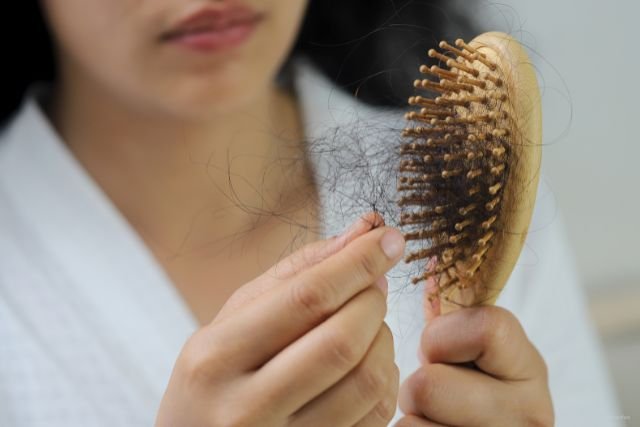
Hair changes during menopause can feel personal. One day your hair feels full and alive. The next, it seems thinner, drier, and weaker. You are not alone. For many women in midlife, hair loss is real, emotional, and frustrating. And while it’s common, it’s also something you can address with knowledge, care, and the right strategy.
This blog will give you clarity, support, and clear steps backed by the latest research. You will understand why hair loss happens during menopause and, discover natural, remedies and research backed treatments. If your goal is to grow healthier, fuller hair in midlife, this post is for you.
What Happens to Hair During Menopause
Hair loss around menopause is not just about aging. It’s a biological shift caused by hormones, especially estrogen and progesterone.
As estrogen drops and testosterone becomes relatively stronger, your hair follicles get less of the growth signals they once had. This hormonal imbalance can shorten the growth phase of each hair, weaken follicles, and result in thinner strands and more shedding. Some women even see a pattern similar to androgenic alopecia, where hair thins most at the top or temples.
This isn’t your imagination. Studies show most women experience noticeable hair thinning by age 60, and changes begin much earlier for many.
Because hair loss affects self-image and confidence, understanding it deeply helps you feel more in control.
How Menopausal Hair Loss Feels and Why It Matters
For many women, losing hair is more than cosmetic. It can affect confidence, mood, and social life. Recent surveys link hair loss with emotional distress, lowered self-esteem, and social anxiety, especially for women in midlife.
Knowing this is normal and treatable is the first step toward empowerment.
Proven Hormonal and Medical Approaches
Before diving into natural and holistic care, let’s cover what science currently supports.
Medical Treatments That Work
Minoxidil
This topical treatment is the only FDA approved option specifically shown to increase hair density in women with thinning hair. It works by lengthening the growth phase and enlarging weak hair follicles. Results take time — often three to six months or more — and it must be used consistently.
Some women combine minoxidil with natural oils like rosemary to support scalp health and potentially boost results, though evidence on synergy is limited.
Hormone Replacement Therapy (HRT)
HRT may benefit hair in some women by restoring estrogen and progesterone levels. Anecdotal reports suggest improved fullness on HRT, especially when the hair thinning is linked to hormonal deficiency. Always discuss benefits and risks with your clinician.
Nutraceutical Supplements
Clinical research suggests specific nutraceutical blends designed for menopausal women can improve hair density and reduce shedding over time. These often combine vitamins, minerals, antioxidants, and plant extracts in formulas studied over 6 to 12 months.
Finding the right blend may take patience, but women report noticeable improvements in strength, thickness, and overall hair condition.
Your Natural Playbook for Hair Growth
Now let’s explore natural and holistic strategies that support regrowth, hormonal balance, and scalp health. These approaches work best when combined with consistent care and lifestyle habits.
1. Nutrient-Rich Diet for Hair Health
Eating well nourishes your hair from the inside.
Protein
Keratin is the main protein structure of your hair, which is why a protein rich diet matters. Foods like lean meats, fish, eggs, tofu, lentils, and nuts provide the nutrients hair follicles rely on for stronger, thicker hair growth.
Healthy Fats
Omega-3 fatty acids from salmon, chia seeds, walnuts, and flaxseed support scalp hydration and reduce inflammation.
Vitamins and Minerals
Biotin (Vitamin B7) supports keratin production. Iron and zinc are essential for healthy follicles. Vitamin D plays a role in cycle regulation. Low levels in these nutrients can worsen thinning.
Add leafy greens, citrus fruits, seeds, and colorful vegetables to your plate daily.
2. Supplements That Support Regrowth
While supplements aren’t magic, they fill gaps often created by aging metabolism.
Biotin
Supports keratin production and hair strength.
Saw Palmetto
This botanical extract may help block DHT, a hormone that can shrink follicles, particularly in hormone-related hair loss.
Collagen Peptides
Collagen supports scalp elasticity and provides amino acids for stronger hair.
Omega-3 Fatty Acids
Fish oil or algae oil reduce inflammation and encourage a healthy scalp environment.
Adaptogens
Ashwagandha and Rhodiola help manage stress hormones that can pull hair into its resting phase prematurely.
Always discuss supplements with your healthcare provider to match them to your needs.
3. Herbal and Natural Topicals
Plant derivatives can be gentle and supportive.
Rosemary Oil
Research shows rosemary oil can improve circulation and may perform comparably to minoxidil in some studies.
Peppermint Oil
This oil creates a cooling sensation that signals increased blood flow to the scalp.
Lavender Oil
Known for calming effects and improved scalp health.
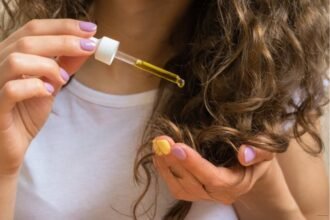
Combine a few drops of essential oil with coconut oil or jojoba oil, then gently massage it into the scalp two to three times per week to boost circulation and support healthy hair follicle growth.
Herbal Masks and Pastes
Traditions like Ayurveda use herbs such as bhringraj, amla, and jatamansi for scalp nourishment and strength. These botanical pastes or oils can nourish roots and improve scalp health over time.
4. Scalp Massage and Routine
Daily scalp massage invites blood flow and nutrient delivery to your follicles. Use fingertips in small circular motions for 5 to 10 minutes each day.
Gentle care matters. Avoid tight styles, reduce heat styling, and choose sulfate-free shampoos to protect hair integrity.
5. Stress, Sleep, and Movement
Stress sends cortisol high and sends hair into early shedding phases. Practices like yoga, meditation, and deep breathing help regulate stress responses.
Quality sleep is also essential. Aim for 7 to 8 hours of restful sleep nightly to support hormone balance and recovery.
Moderate exercise improves circulation and overall wellbeing, which also benefits your hair.
What’s New in Hair Growth Research
Two trends stand out in 2025 research and development.
Botanical Pharmacology
Global research is exploring plant compounds that work on multiple fronts: balancing hormones, reducing inflammation, and promoting follicle activation. Reviews highlighted saw palmetto, rosemary, and ginseng as promising agents with complex mechanisms.
Nutraceutical Focused Trials
Long-term studies are showing that targeted supplement formulas can improve hair density and reduce shedding in menopausal women when taken consistently over months.
These fields are growing, and 2026 promises more rigorous trials combining traditional remedies with clinical standards.
Your Action Plan: Daily to Long-Term
Here’s a simple weekly rhythm you can follow:
Morning
Take your recommended supplements.
Eat a protein-rich breakfast.
Do light movement or stretching.
Evening
Perform a 5-to-10-minute scalp massage.
Apply your chosen oil blend two to three times weekly.
Practice calming rituals like meditation or warm tea.
Weekly
Deep conditioning or herbal mask once a week.
Eat a balanced diet rich in nutrients and good fats.
Journal your progress and confidence.
Consistency over time is what brings results.
Final Thoughts
Hair loss in midlife can feel heartbreaking. But it does not need to be hopeless. You have science, nature, and strategy on your side. By understanding what causes hair changes during menopause, feeding your body well, caring for your scalp, and choosing supportive lifestyle habits, you can encourage thicker, healthier hair.
Every hair journey is individual. Some women see noticeable improvements in a few months. For others it takes longer. The key is consistency, patience, and celebrating small wins along the way.