Your body changes in your 40s and beyond. Hormones shift, metabolism adapts, and hydration becomes a cornerstone of health you might have taken for granted in younger years. Drinking water isn’t just about quenching thirst anymore. For women over 40, hydration affects energy, hormones, skin, metabolism, heart health, and aging itself. In this blog you’re going to learn exactly why hydration is so crucial at this stage of life. You’ll also get insights from the latest science in 2025 and a look ahead on the horizon in 2026.
This isn’t medical advice. It’s a friendly, clear, exploration of why staying hydrated matters deeply for women over 40.
Your Body Changes After 40
After 40 the body isn’t the same as it was in your 20s or 30s. Hormone shifts related to perimenopause and menopause change how your fluids are regulated. Estrogen influences how your body holds on to water and how your tissues retain moisture. As estrogen drops, cells struggle to hold fluid the way they used to, and this can make dehydration more likely even if you’re drinking water regularly.
You also start to lose collagen more rapidly during menopause. Collagen is the protein that gives your skin plumpness and elasticity. When your body holds less water and makes less collagen, your skin can show dryness and fine lines more easily. Staying hydrated supports skin structure and resilience from the inside.
Hydration and Hormones
Hormones matter more than you think for hydration. During the transition around menopause your estrogen and progesterone levels fluctuate. These hormones influence how your cells hold water. When those levels shift, your thirst regulation can change too. That’s why many women report intense thirst or feelings of dry mouth during perimenopause and menopause.
There’s also a connection between hydration and cortisol, the stress hormone. When you’re dehydrated even a little, your body can perceive it as stress. That can kick your adrenal system into high gear, and chronically elevated cortisol can make you feel fatigued, anxious, or out of balance. Staying hydrated helps keep your body from going into stress mode for no reason.
Hydration and Aging at the Cellular Level
Research has shed more light on how hydration connects to aging and chronic disease risk. One major long term study followed adults for more than 25 years and looked at serum sodium levels in the blood, a marker tied to hydration. Researchers found that people with higher sodium levels—linked to less fluid intake—had signs of faster biological aging and a higher risk of chronic disease and early mortality. Proper hydration was associated with healthier aging and lower risk of serious conditions.
This means water doesn’t just move through your body and leave. It affects the very pace your body ages at over decades. That’s powerful motivation to pay attention to fluids today.
Brain Function, Mood, Focus and Women Over 40
Even mild dehydration can affect brain function. Throughout adulthood your brain needs fluid to maintain focus, memory, and mood stability. Studies show that a small drop in hydration can impair short term memory, attention, and processing speed.
Because hormonal changes during perimenopause already affect sleep and mood, keeping your hydration up is one simple yet effective way to support your brain and emotional balance. Many women report clearer thinking simply by increasing fluids and keeping water close by through the day.
Metabolism and Weight Management
Hydration is connected to metabolism in ways people don’t always realize. Water plays a role in energy use and how the body processes food. Research from 2025 shows that drinking water before meals may help reduce appetite and support weight management in middle age. Water also replaces sugary drinks that can burden your metabolism and spike insulin levels.
After 40 your metabolic rate naturally slows. Drinking water regularly can help with metabolic flexibility, the ability to shift between burning carbs and fats for fuel. This makes hydration a simple strategy that supports weight goals without restrictive diets.
Heart Health and Stroke Prevention
Staying hydrated supports blood volume and circulation. When you’re dehydrated, blood can thicken a bit, making your heart work harder and potentially raising the risk of cardiovascular strain. Studies show that adequate daily water intake is linked to a lower risk of stroke and may reduce the risk of hypertension or other vascular issues.
For women over 40, heart health becomes increasingly important as risk factors for heart disease rise. Keeping fluids consistent throughout the day supports healthy circulation and can be part of your heart wellness plan.
Bone and Joint Lifeline for Women Over 40
Hydration plays a powerful role in bone and joint health, especially for women over 40. As estrogen levels decline, bone density naturally decreases. This raises the risk of stiffness, discomfort, and long term bone loss. Water becomes a quiet but essential support system during this stage of life.
Bones are not solid and dry. They contain a significant amount of water that helps maintain strength and flexibility. When the body is dehydrated, bones can become more vulnerable to mineral loss. Proper hydration supports the transport of calcium, magnesium, and vitamin D, which are all critical for bone health.
Joints also rely heavily on water. Cartilage, the tissue that cushions joints, is mostly made of water. When hydration levels drop, cartilage can become less resilient. This may lead to stiffness, reduced mobility, and increased discomfort during daily movement.
Gut Health and Digestion
Hydration plays a central role in digestion. Water helps break down food, supports nutrient absorption, and keeps stool soft for regular bowel movements. As women age, slower digestion and constipation can become more common. Water keeps things moving gently and supports digestive harmony.
When you’re well hydrated, your body can better absorb fiber, which is essential for a healthy gut microbiome and stable energy levels.
Immune Health and Detox
Your lymphatic system depends on water to transport waste and support your immune response. Staying hydrated helps your kidneys flush toxins effectively and supports overall detoxification. As immune function can weaken with age, hydration becomes part of a strong defense system.
Skin Hydration That Shows
Hydration matters for how your skin looks and feels. Skin that’s adequately hydrated reflects light better, can appear fuller, and may show fewer visible signs of aging. While topical products help lock in moisture, they can’t replace the hydration your body needs from the inside out.
If you want your skincare routine to work at its best, complement it with consistent water intake and hydrating foods like cucumbers, watermelon, and citrus.
Practical Hydration Strategies for Everyday Life
Most women need more fluids than they realize. A simple way to start is to drink a full glass of water when you wake up and keep water within arm’s reach throughout the day. Aim for small, frequent sips rather than waiting until you feel thirsty. You can also boost hydration with water rich foods and herbal teas.
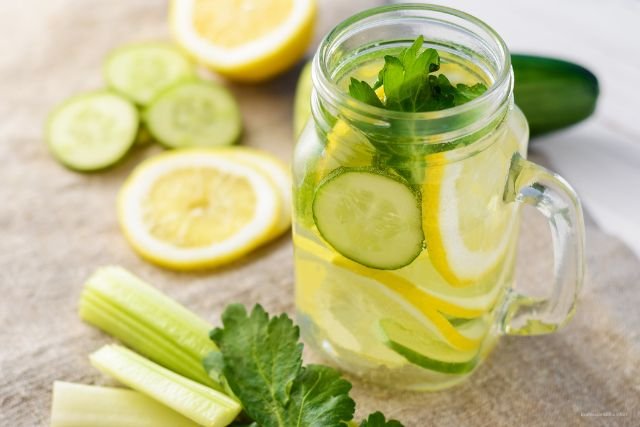
If plain water feels boring, infuse it with citrus, berries, or herbs like mint to make it taste fresher. Foods like cucumbers, leafy greens, and soups count too.
A general guideline is to aim for at least 7 to 11 cups of water per day from beverages and foods, but individual needs vary based on activity, climate, and health conditions.
Sign You Might Be Dehydrated
Feeling thirsty is only the tip of the iceberg. Your body often needs water before you feel thirsty. Pay attention to signs like fatigue, headaches, dry skin, dark urine, dizziness, or slow digestion. When these signals appear, drink more fluids right away instead of waiting for symptoms to worsen.
What’s Coming in 2026
Looking ahead into 2026, hydration research is set to explore even deeper connections between fluid balance and aging. Scientists are paying more attention to cellular hydration and how water interacts with nutrients and hormones at the molecular level. There’s growing interest in personalized hydration strategies based on genetics, lifestyle, and hormone profiles.
You can expect more tailored guidance that goes beyond blanket “eight glasses a day.” Hydration science is becoming as individualized as nutrition and fitness advice, with recommendations that fit your age, activity, and metabolic needs.
There’s also exciting work on how hydration interacts with sleep quality, stress resilience, and even microbiome health. As technology advances, we may see more wearables and smart tools that help women track hydration in real time with more accuracy.
Final Thoughts
Hydration isn’t just a routine habit. For women over 40 it’s a foundation for health. Staying well hydrated supports your brain, heart, skin, metabolism, digestion, hormones, and longevity.
It’s one of the simplest wellness strategies you can adopt and one of the most impactful. Start with consistent daily water, make fluids convenient and enjoyable, and pay attention to your body’s signals. Your body needs more hydration than you might think, and your future self will thank you for building this healthy habit today.
Want to make hydration easier? Carry a reusable water bottle, sip throughout the day, eat water rich foods and check in with your body regularly. Simple moves like these set the stage for strong health now and in the years ahead.
Stay curious about your body and treat hydration as a key partner in your health journey. You deserve to feel great at every stage of life.